Boski Diego
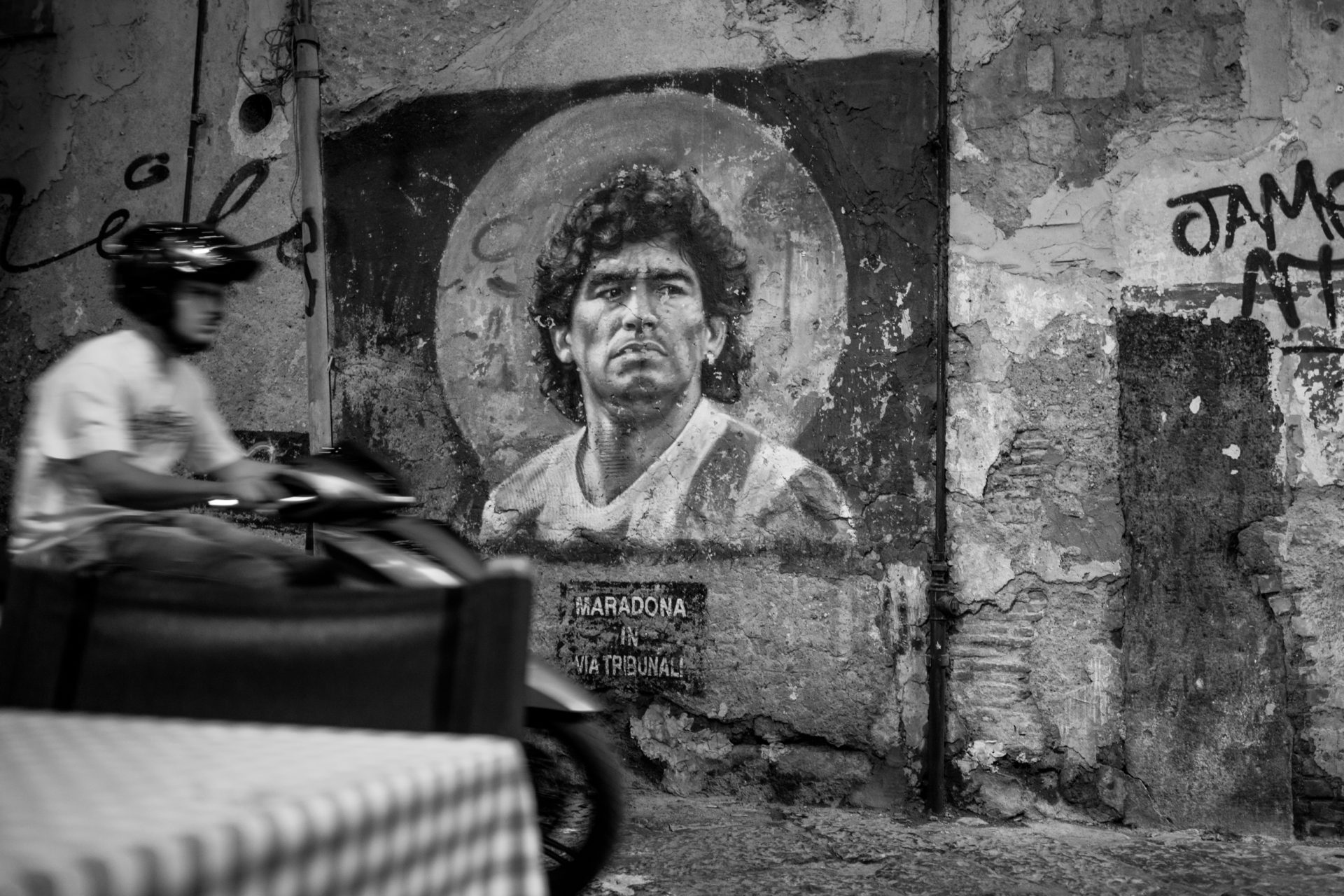
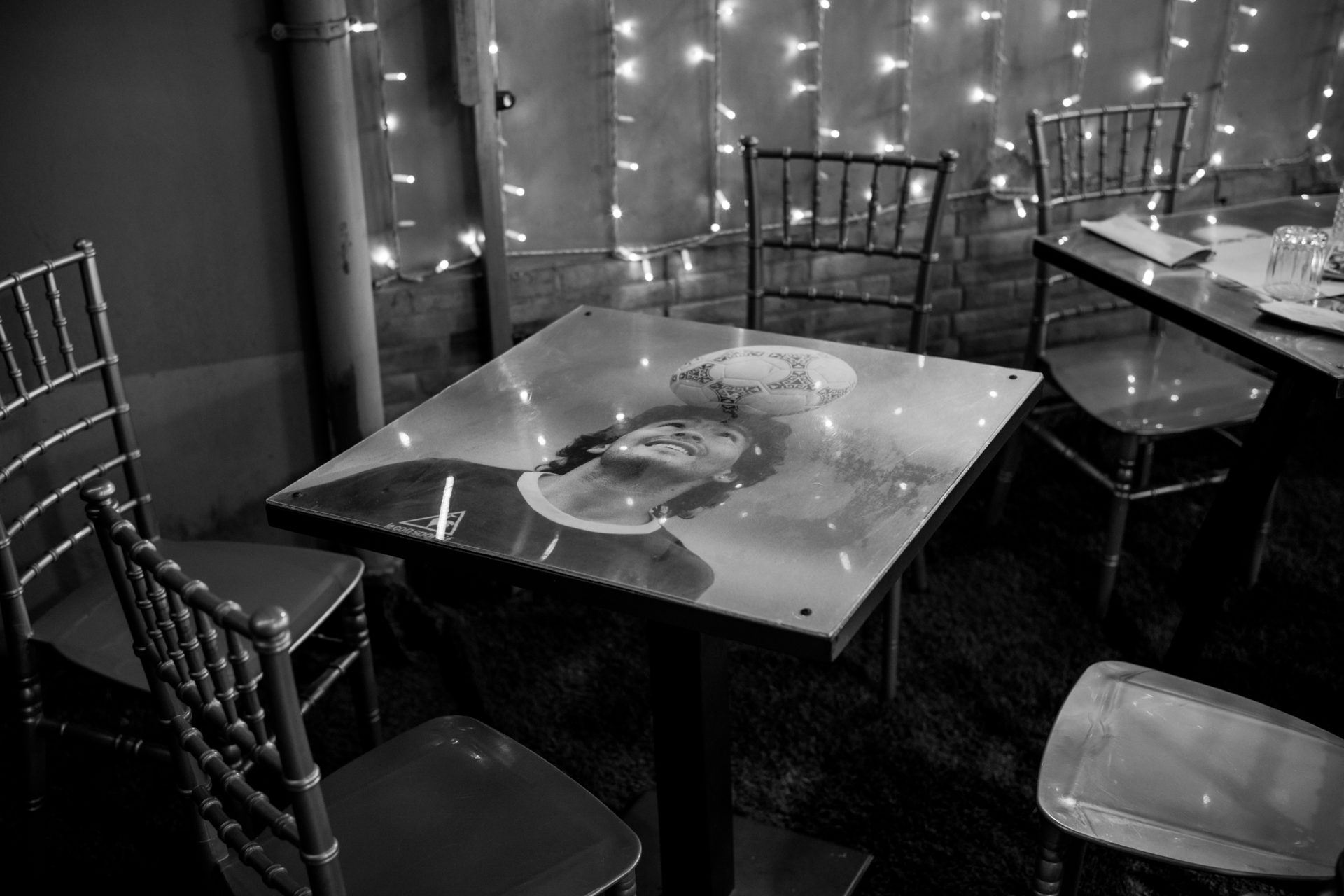
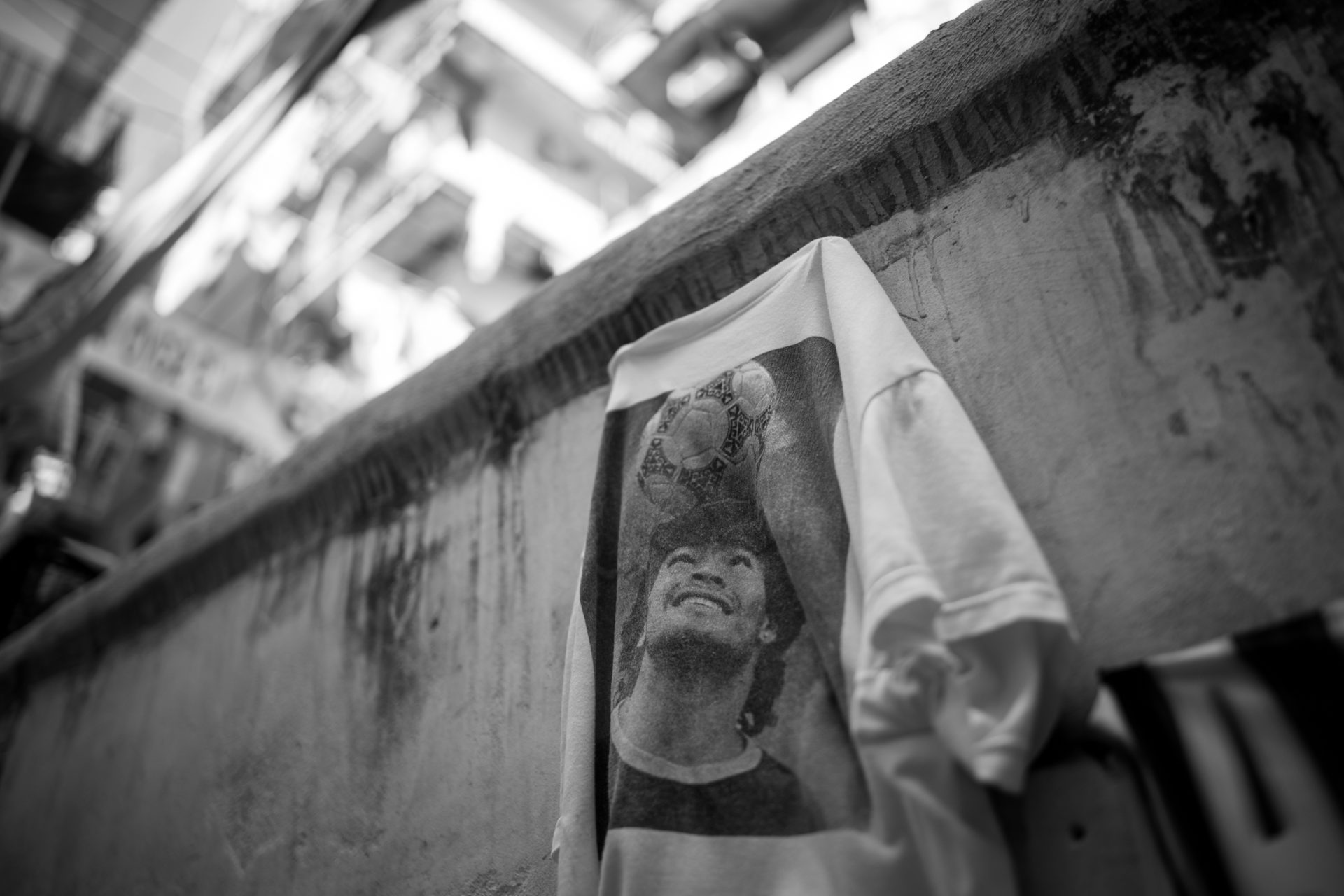
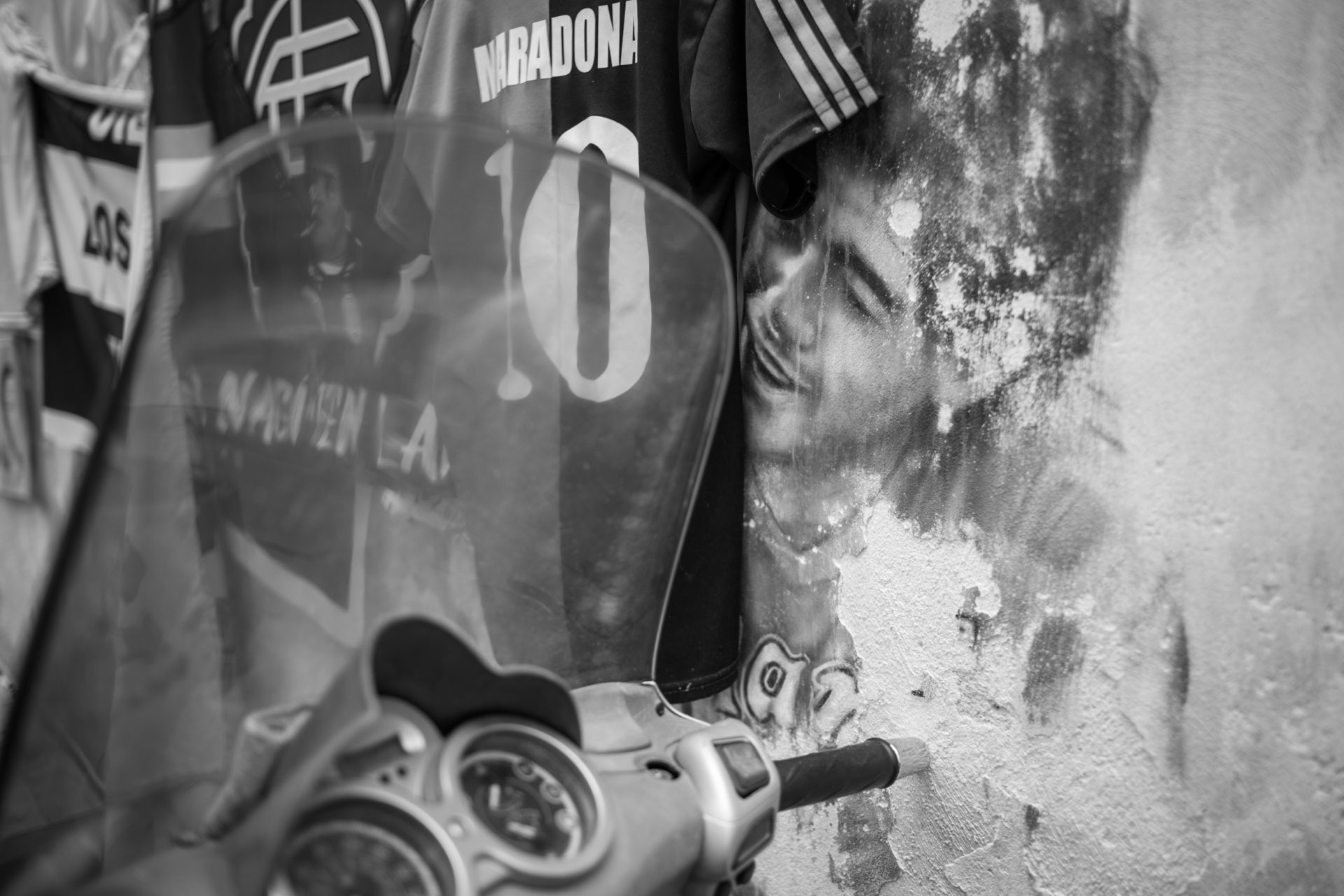
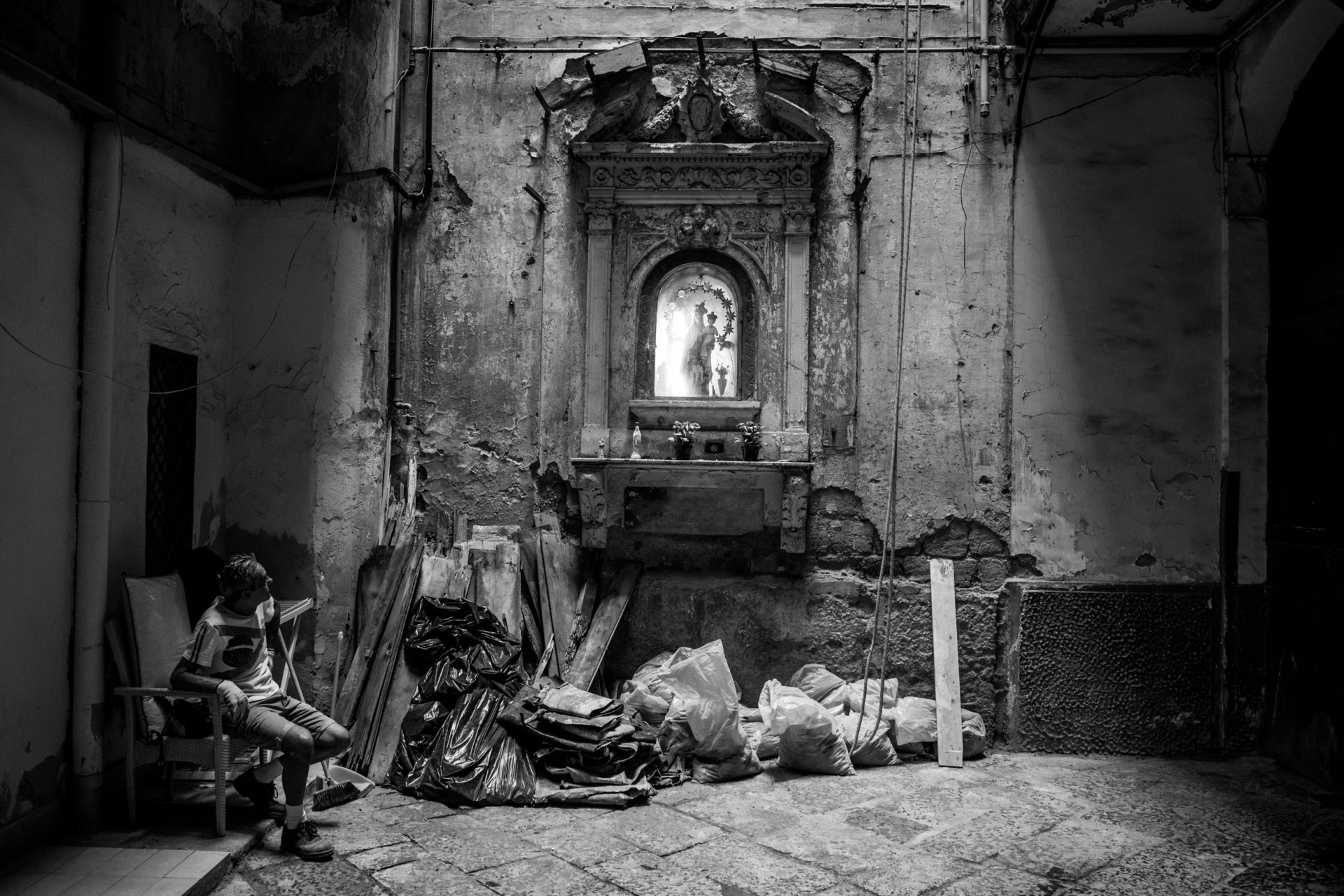
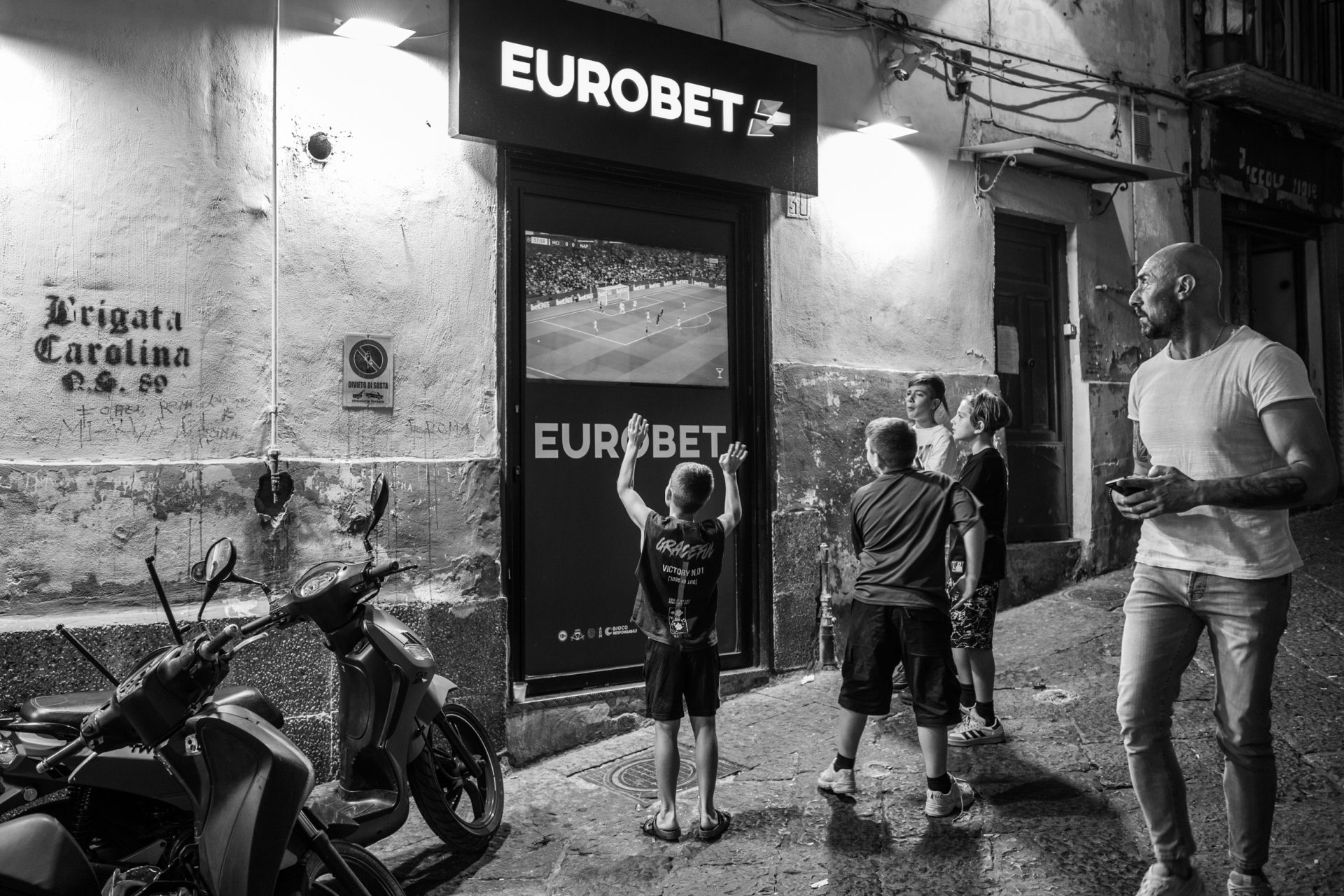
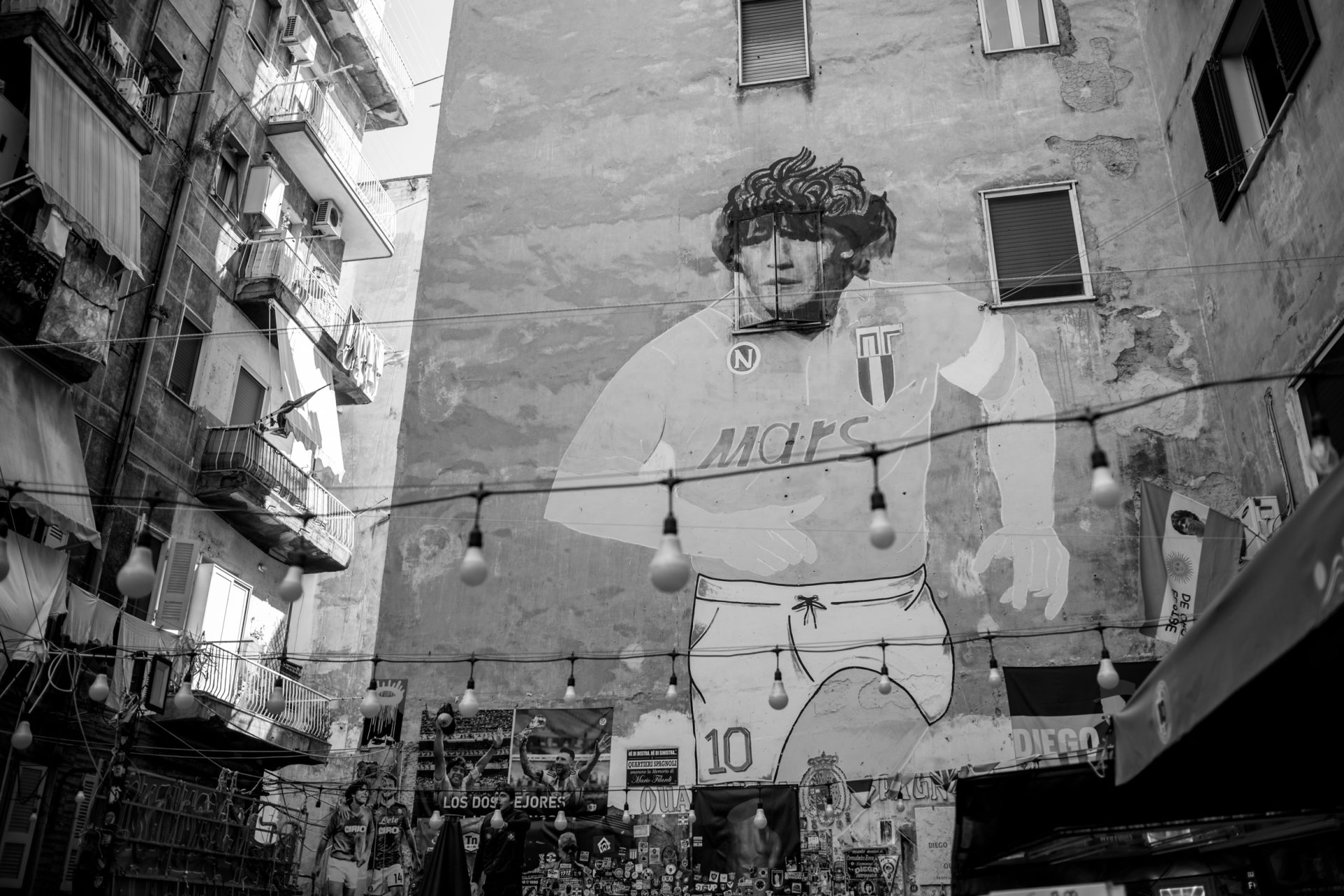
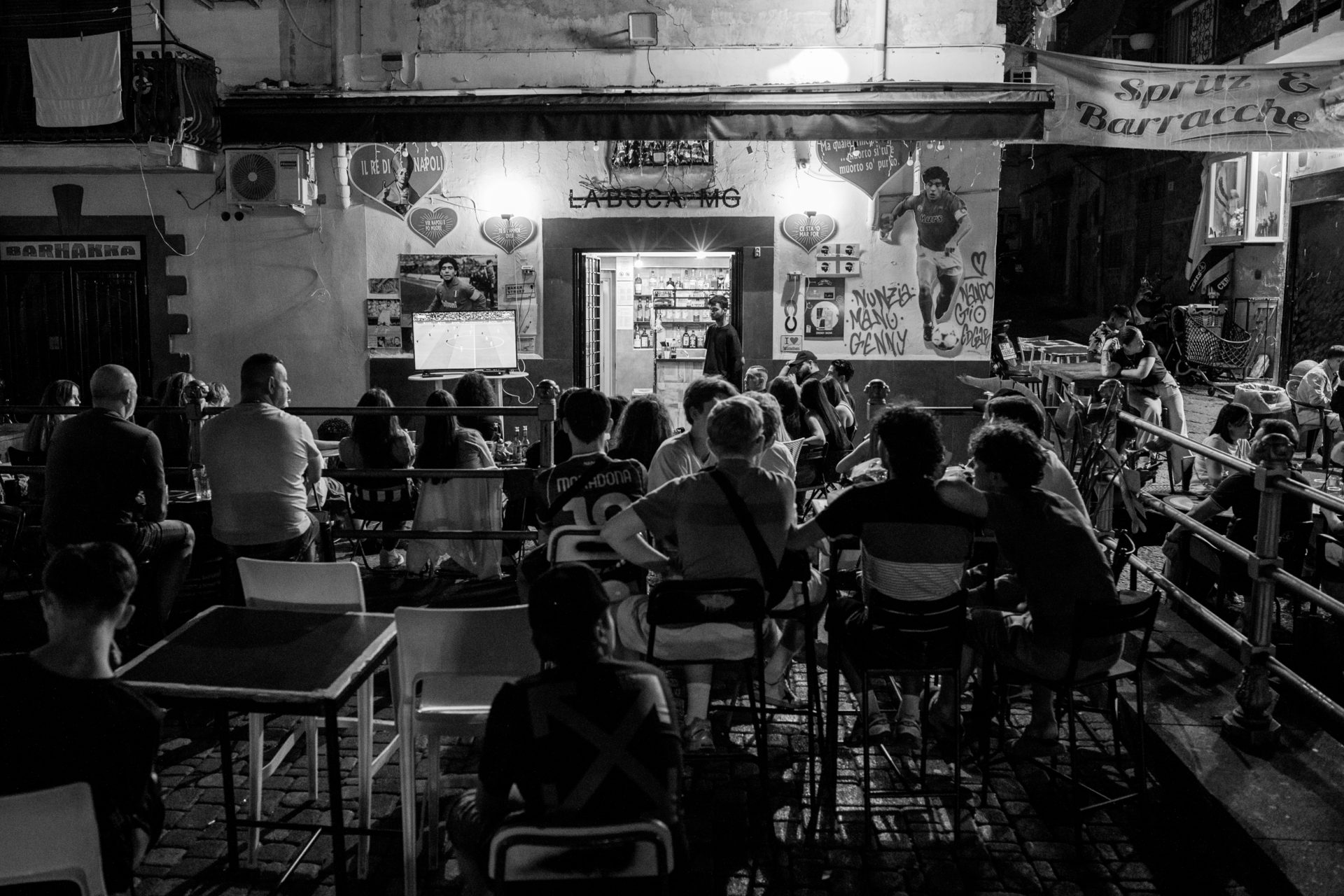
Do miasta przyjechał w 1984 roku i zmienił oblicze ziemi, neapolitańskiej ziemi. Diego Armando Maradona, w Neapolu wciąż żywa legenda. Quartieri Spagnoli, hiszpańska dzielnica, dzieli religijny kult pomiędzy dwójkę świętych, Januarego i boskiego Diego. Do Januarego modlić się można o pomyślność, do Diego rzecz jasna o niedzielne zwycięstwo Napoli, bo w Neapolu nie ma nic ponad piłkę!
Diego è Dio, Juve bastardo, Italia bastardo, grzmiał na powitanie taksówkarz, który wiózł mnie z lotniska do miasta. Czuć było w jego słowach silne poczucie niezależności. Neapol zawsze mówił swoim głosem. W końcu Garibaldi dokonał zjednoczenia Włoch dopiero w 1861 roku.
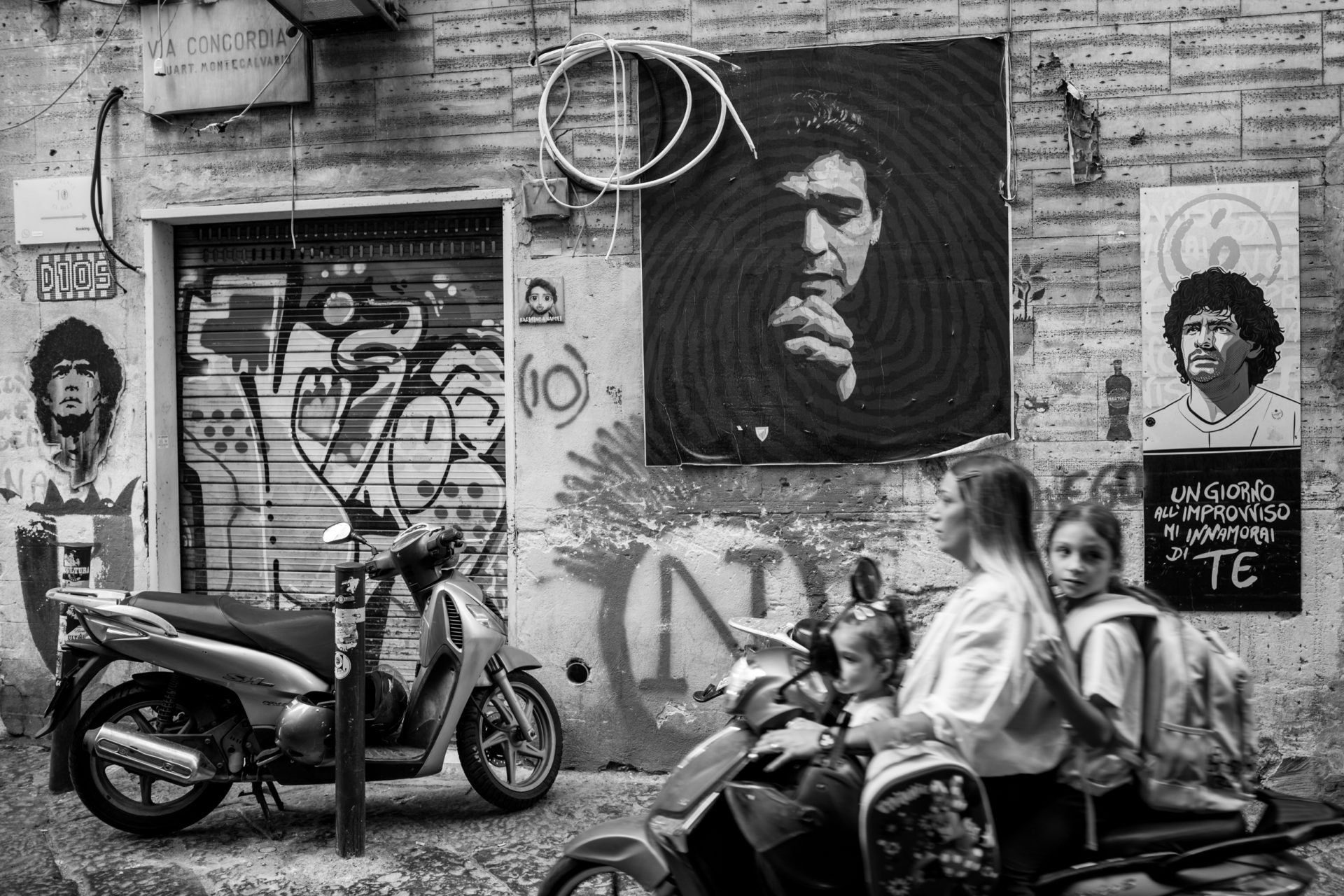
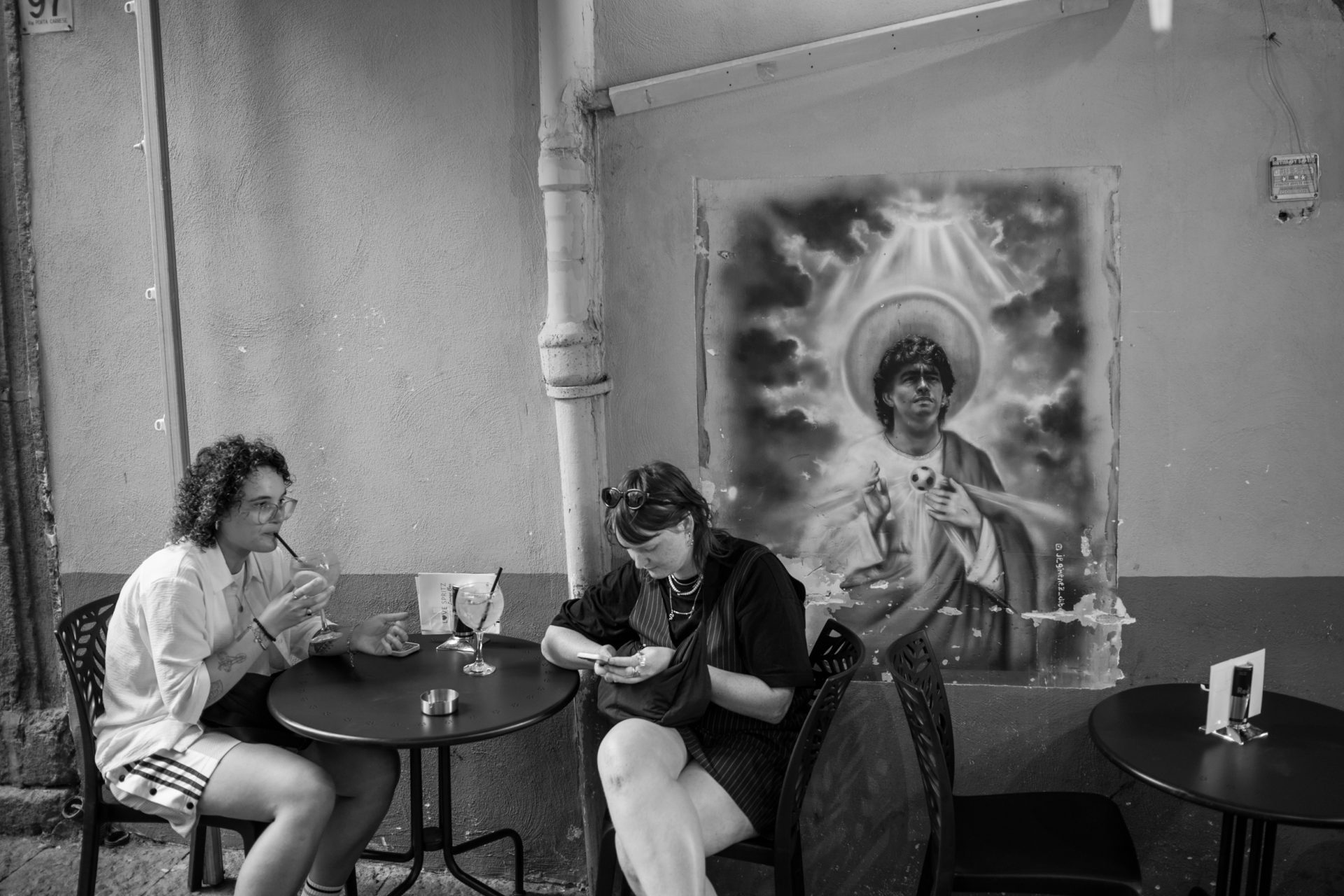
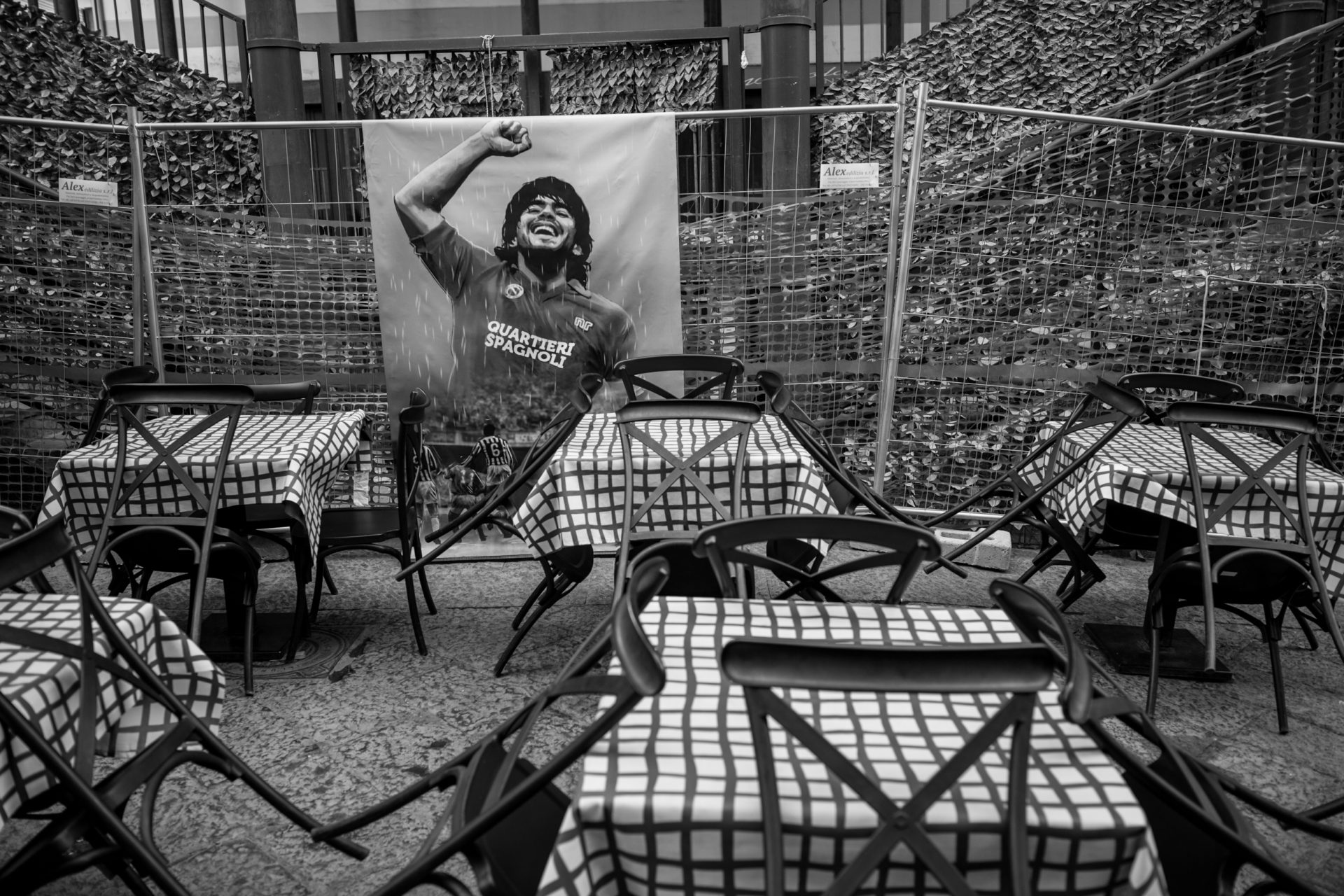
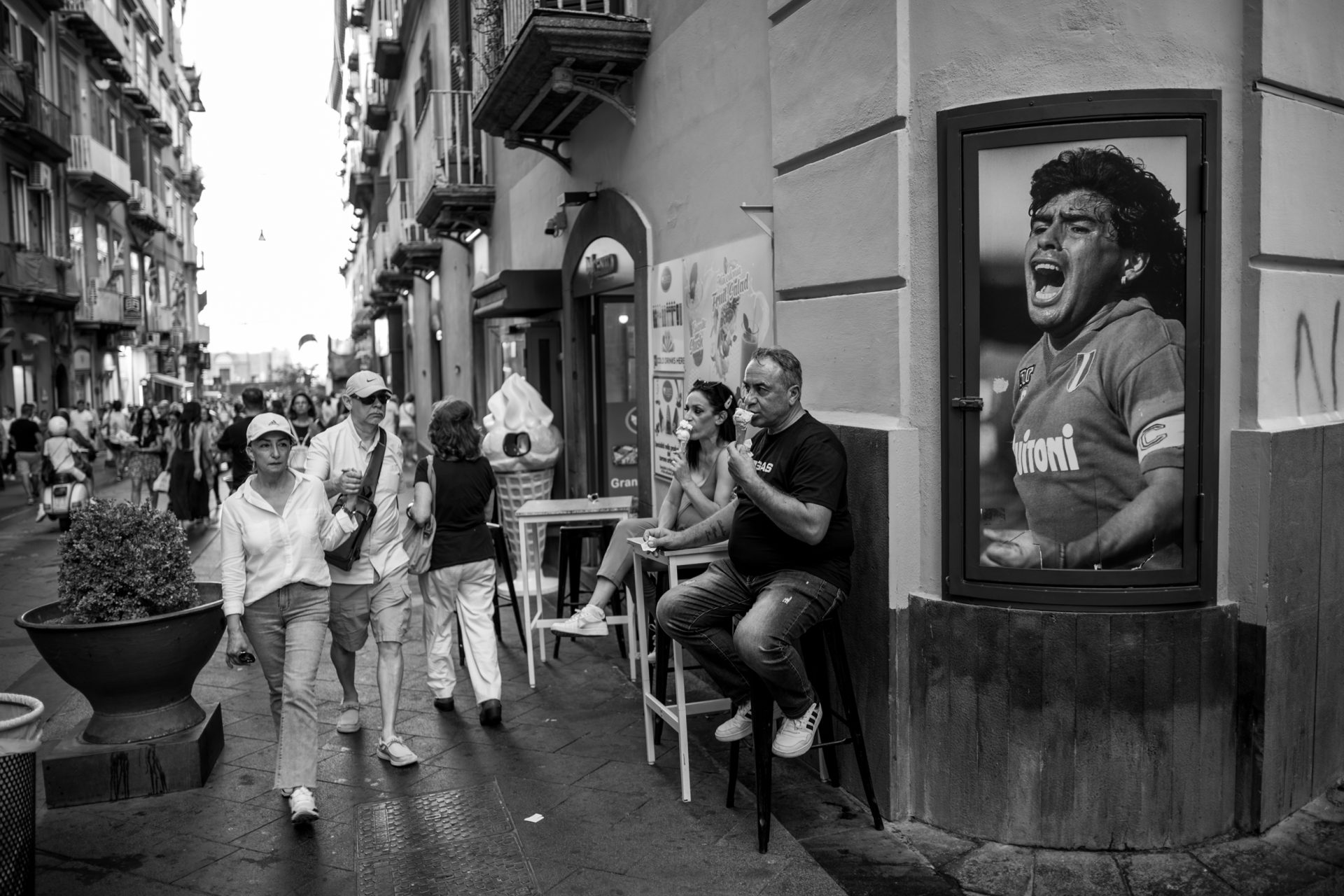
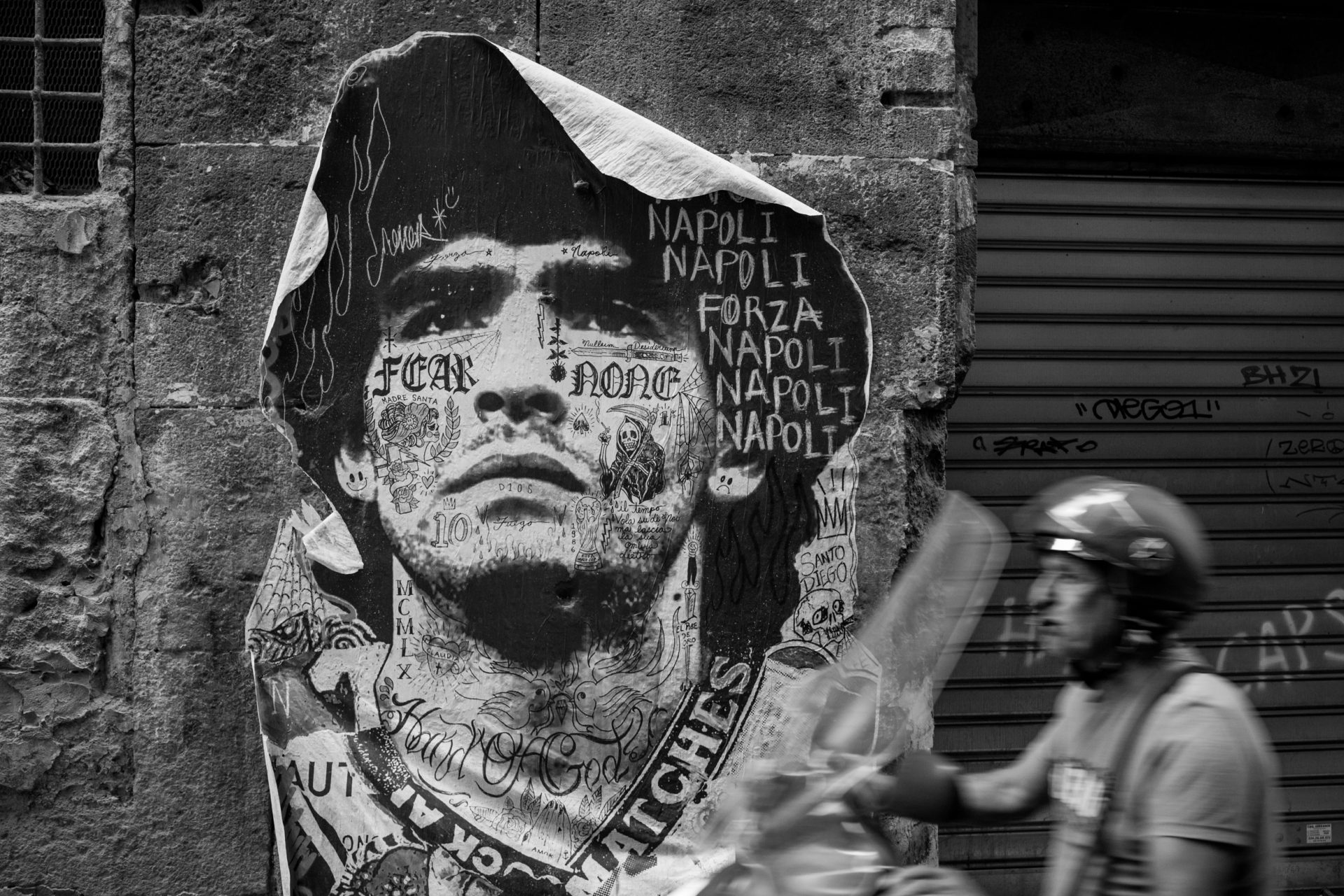
Chodząc wąskimi uliczkami, gdzie na każdym kroku widnieje portret Diego, dotarło do mnie czym był słynny półfinał Mistrzostw Świata w 1990 roku, kiedy na Stadione Napoli Włochy zmierzyły się z Argentyną, którą prowadził boski Diego.
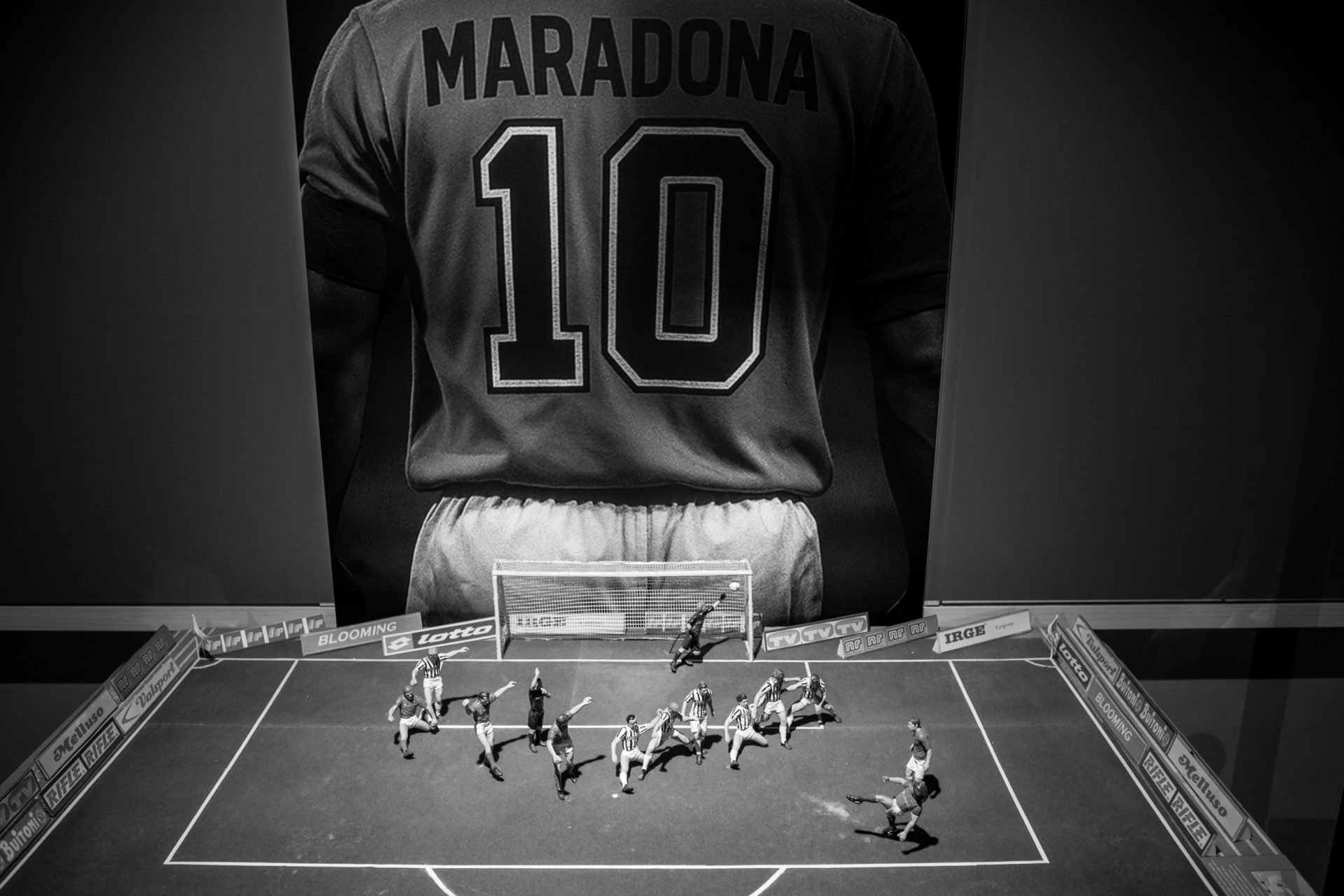
Co musieli czuć neapolitańscy tifosi, jak bardzo byli rozdarci, kiedy ich wielki Diego, stawiał piłkę by strzelić „jedenastkę” pogrążając Italię w rozpaczy. Czas pokazał, że to był początek końca jego kariery w Neapolu.
Tamtą porażkę Neapol mu jednak wybaczył i znalazł dla niego miejsce w swoim hałaśliwym sercu.
***
Il Divino Diego
He arrived in Naples in 1984 and changed the face of the city, and of Neapolitan life itself. Diego Armando Maradona is still a living legend here. In the Quartieri Spagnoli, the Spanish Quarter, people worship two saints: San Gennaro and the divine Diego. You pray to San Gennaro for good fortune, and to Diego, naturally, for a Napoli win on Sunday. Because in Naples, nothing matters more than football!
“Diego è Dio, Juve bastardo, Italia bastardo!” shouted the taxi driver who took me from the airport into the city. His words carried a fierce sense of independence. Naples has always had a voice of its own. After all, Italy was not united until Garibaldi’s campaign in 1861.
As I wandered through the narrow streets, with Diego’s face looking down from almost every corner, I began to understand what the famous 1990 World Cup semi-final meant to the people of Naples. Italy were playing Argentina at Napoli’s own stadium, and Maradona, their beloved Diego, was playing against them.
Imagine what the Napoli fans must have felt. Torn between their love for their country and their devotion to their footballing hero, they watched as Diego stepped up to take a penalty that would send Italy crashing out of the World Cup. In the years that followed, it became clear that this match had marked the beginning of the end of Maradona’s time in Naples.
However, the city forgave Diego. Even after all these years, he still holds a place in the hearts of Neapolitans.